Author name: Gabe Bautista

Bitcoin: Cryptocurrencies, Blockchain and Human nature. A short History

Bitcoin, Blockchain, and Human Nature A Short History. Bitcoin, cryptocurrency, and blockchain are often discussed as financial instruments.But that framing misses the deeper story. At its core, this phenomenon is about human trust, coordination, risk, and belief—expressed through technology. This article is not financial advice. It’s a conceptual map: how Bitcoin emerged, why blockchain exists, […]

Bitcoin: Cryptocurrencies, Blockchain and Human nature. A short History Read More »

Mental Time Traveling: Mindset Shapes Meaning, Choice, and Action

Mental Time Traveling: Mindset Shapes Meaning, Choice, and Action Most conversations about mindset miss the point. They focus on tactics—affirmations, motivation, discipline—without addressing the deeper question underneath all of it: How do we assign meaning to our experience across time? Because that’s what mindset really is. Not positivity. Not hustle.It’s the internal structure that determines

Mental Time Traveling: Mindset Shapes Meaning, Choice, and Action Read More »

Why we naturally fear change and why you should care

Why We Naturally Fear Change — And Why You Should Care Fear of change isn’t a weakness.It’s not a character flaw.And it’s not something you can simply “power through” with positive thinking. Fear of change is a feature of the human brain, not a bug. And if you don’t understand how it works, it will

Why we naturally fear change and why you should care Read More »

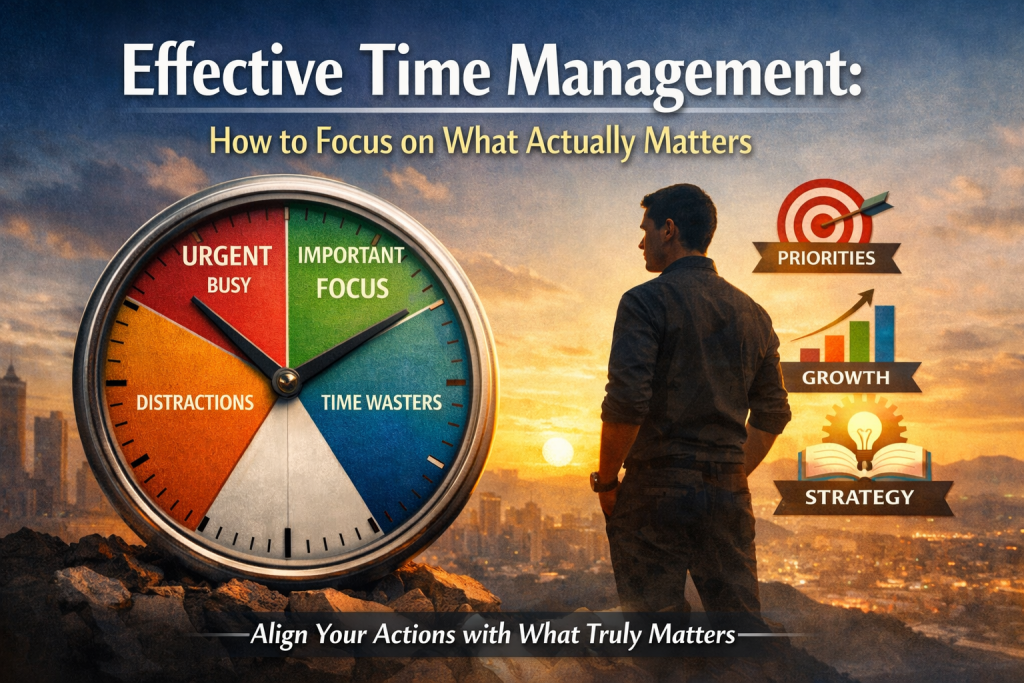
What’s the best way to manage your time? Effective time management

What’s the Best Way to Manage Your Time? A Framework for Real Effectiveness Most people misunderstand time management. They think it’s about calendars, productivity apps, or squeezing more tasks into the day.That approach fails because time is not the real problem. The real problem is what you choose to do with the time you already

What’s the best way to manage your time? Effective time management Read More »

Loss Aversion Vs. Opportunity Cost. What do you really stand to lose

Loss Aversion vs. Opportunity Cost: What Do You Really Stand to Lose? Most people think risk is about losing something they already have. That instinct feels rational—but it’s usually wrong. One of the most dangerous forces in business (and life) isn’t risk-taking.It’s loss aversion—and the silent damage it causes when we ignore opportunity cost. Understanding

Loss Aversion Vs. Opportunity Cost. What do you really stand to lose Read More »

Travel Often: I said often, not far. Lessons from being on the road.

Travel Often: I Said Often, Not Far Lessons From Being on the Road I recently took two trips that looked very different on paper. One was a three-and-a-half-hour drive to Austin.The other was a six-hour flight to Cartagena. Both lasted five days. What surprised me wasn’t how different they were—but how similar the lessons turned

Travel Often: I said often, not far. Lessons from being on the road. Read More »

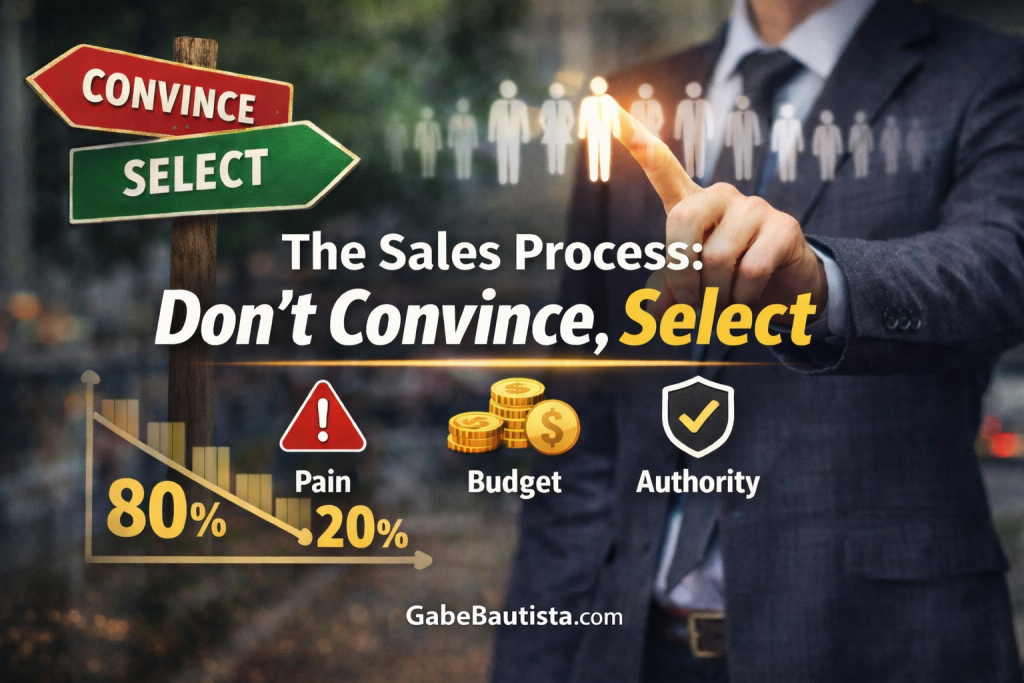
The Sales Process; Don’t convince, Select.

The Sales Process: Don’t Convince — Select Sales isn’t broken.The mental model people use for sales is. Most people think sales is about convincing—persuading someone to do something they’re hesitant to do. That’s why sales carries so much stigma. Nobody wants to feel pushed. Nobody wants their agency taken away. But here’s the truth: People

The Sales Process; Don’t convince, Select. Read More »

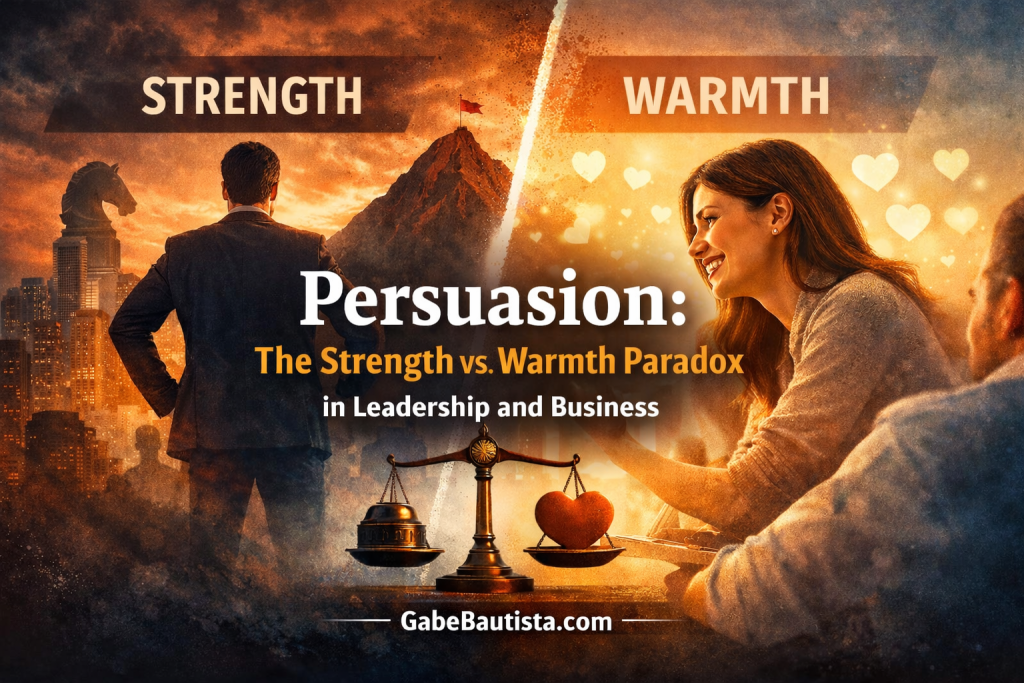
Persuasion, the Strength Vs Warmth Paradox

Persuasion and the Strength vs. Warmth Paradox Persuasion isn’t about tricks, tactics, or clever manipulation. At its core, persuasion is about how people perceive you—specifically, how they evaluate your strength and your warmth. This creates one of the most important paradoxes in leadership, business, and human relationships: The more warmth you show, the less competent

Persuasion, the Strength Vs Warmth Paradox Read More »

Motivation: Push vs Pull

Motivation: Push vs. Pull Most people don’t fail because they lack talent, intelligence, or opportunity.They fail because motivation fades. Not because the goal was too hard—but because the engine driving their behavior was misaligned. If you’ve ever started strong and slowly lost momentum, this distinction matters more than tactics, habits, or productivity tools. Two Types

Motivation: Push vs Pull Read More »

USP: the most important thing you can do in your Business.

USP: The Most Important Thing You Can Do in Your Business If there’s one question every business must be able to answer clearly and confidently, it’s this: Why should someone buy from you instead of anyone else? That question sits at the heart of your Unique Selling Proposition (USP)—and it’s not a marketing trick, a

USP: the most important thing you can do in your Business. Read More »

Are you an advanced expert or are you a beginner?

Are You an Expert or a Beginner? Here’s a question that sounds simple—but quietly determines whether you keep growing or slowly stall: Are you operating like an expert… or like a beginner? Over the last few weeks, we’ve talked about a lot of advanced ideas. Strategy. Systems. Higher-level thinking. Today, I want to come back

Are you an advanced expert or are you a beginner? Read More »

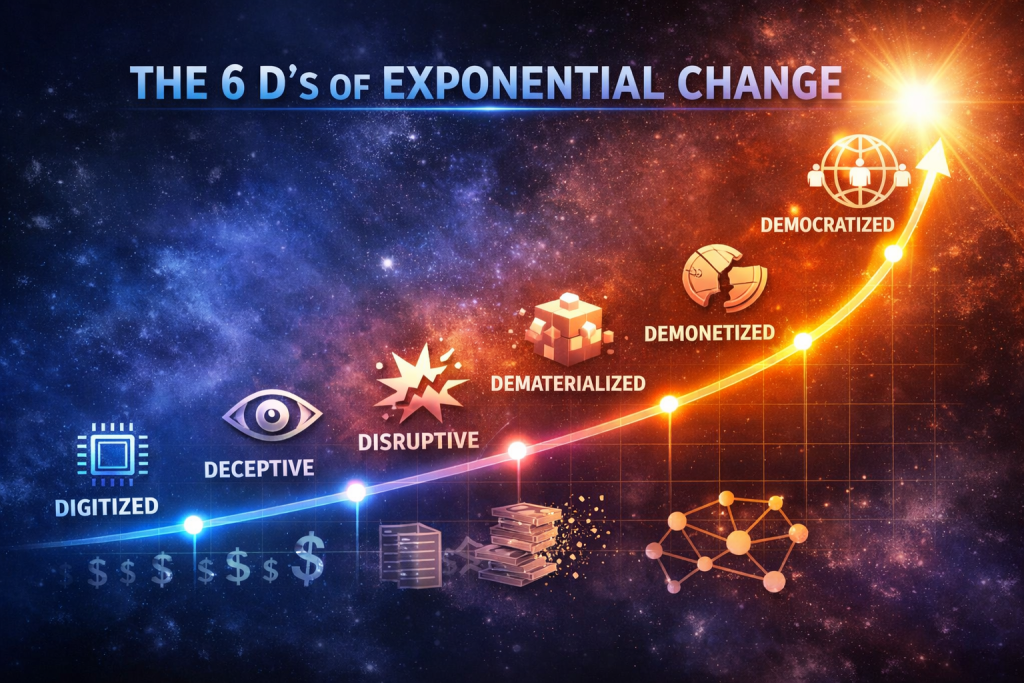
Deceptive THEN Disruptive. Don’t be left behind.

Deceptive, Then Disruptive: Why Exponential Technologies Leave Businesses Behind Most business failures don’t happen because leaders are careless or unintelligent. They happen because change doesn’t look dangerous at first. It looks small.It looks optional.It looks like something you can deal with later. That’s the trap. When technologies follow exponential curves, they don’t announce themselves loudly.

Deceptive THEN Disruptive. Don’t be left behind. Read More »

The Only Two Things in Business That Matter

On Lead Companies, CAC, and Sustainable Growth The Only Two Things in Business That Matter On Lead Companies, CAC, and Sustainable Growth Most business conversations get lost in tactics. Tools. Platforms. Hacks. Vendors. Trends. But when you strip everything down, business comes back to two fundamental systems—and nothing else matters without them. This short lesson

The Only Two Things in Business That Matter Read More »