
Why Companies Still Haven’t Figured Out Remote Work
(And Why This Moment Changes Everything)


4
The world doesn’t usually change overnight.
But sometimes it does.
In just a matter of days, work, travel, supply chains, and social interaction shifted simultaneously. This is not a moment to panic—and it’s definitely not a moment to wait and “see what happens.”
This is a moment to step in front of the curve.
Remote work is no longer a perk. It’s no longer experimental. It’s no longer optional. It is now a baseline capability—for companies and for individuals.
And yet, most organizations still haven’t figured it out.
Why Companies Haven’t Figured Out Remote Work
1. They Still Confuse Presence With Productivity
Most companies already know a hard truth:
Very few people are productive for a full eight-hour day.
And yet, management systems still revolve around:
- Clocking in
- Clocking out
- Looking busy
Remote work breaks this illusion instantly. When you can’t see someone sitting at a desk, you’re forced to confront the real question:
Is the work getting done?
The solution is not more surveillance.
The solution is a different measurement system.
Track tasks, deadlines, and outcomes—not hours.
If the deliverables are completed on time and at quality, the path taken to get there is largely irrelevant.
2. They Don’t Have a Reliable Tool Chain
Remote work doesn’t fail because of Zoom, Slack, or any single tool.
It fails because systems are:
- Poorly connected
- Fragile under load
- Not designed for reliability
Dropped calls, bad audio, missing files, broken workflows—these failures compound quickly in distributed teams.
The real work is not “choosing the right app.”
The real work is customizing a tool chain that fits how your organization actually operates.
That includes:
- Communication
- Task management
- Documentation
- Video and audio reliability
- Redundancy and fallback systems
Reliability matters. At scale, even a 1% failure rate becomes a constant operational tax.
3. They Haven’t Defined Digital Social Rules
In-office work came with decades of unspoken rules.
Remote work doesn’t.
Questions companies avoid—but must answer:
- Is video required or optional?
- What does “available” actually mean?
- How fast is a response expected?
- How do meetings work when flexibility exists?
Digital work requires explicit norms, not assumptions.
Until those norms are defined, confusion and friction fill the gap.
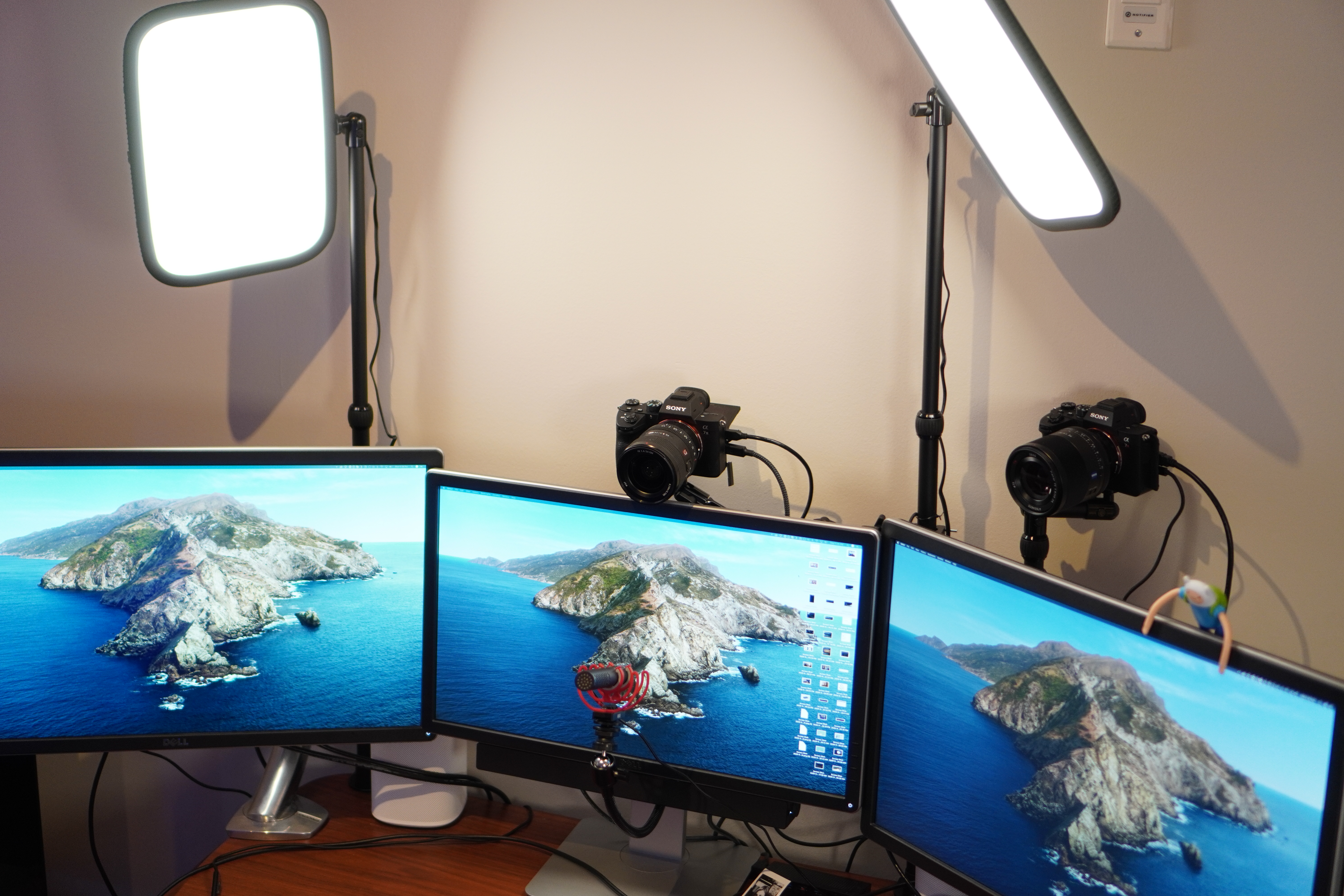
4. They Underestimate What “Being on Camera” Really Means
In remote environments, your video feed is your presence.
That includes:
- Lighting
- Audio quality
- Camera placement
- Eye contact
- Background and framing
This is not superficial. It directly affects trust, clarity, and collaboration.
Remote work turns every employee into a visible representative of the organization—whether leadership acknowledges it or not.
Why Individuals Struggle With Remote Work
1. Discipline Becomes the Bottleneck
Remote work removes external structure.
What remains is:
- Self-direction
- Internal discipline
- The ability to execute without supervision
Many people struggle here—not because they lack intelligence, but because they’ve never been required to build these habits.
Remote work doesn’t create discipline problems.
It reveals them.
2. Tool Fluency Is Now a Core Skill
We are past the era of “I’m not technical.”
Remote work requires baseline competence in:
- Video conferencing
- File systems
- Collaboration platforms
- Basic troubleshooting
This does not mean everyone becomes an engineer.
It does mean the floor has risen.
An economy where only 5% of people can operate digital systems deeply enough will not function. That number must move closer to 20–50% for distributed work to scale.
3. Presentation Has Become a Career Skill
Interviews, pitches, collaboration, brainstorming, sales—much of it now happens through a camera.
That requires learning:
- Where to look (the camera, not the screen)
- How to frame yourself
- How to project confidence and clarity remotely
These are learnable skills—and they increasingly separate those who advance from those who stall.
This Moment Is Accelerating Every Existing Trend
This shift is not temporary. It is compressing timelines.
Organizations and individuals are now reevaluating:
- Travel
- Office space
- Hiring geography
- Supply chains
- How work is structured
- What “productivity” actually means
There will be a new normal.
But it will not look like the old one.
The Real Question
This moment can be:
- A pause
- A panic
- Or a pivot
You don’t get to opt out of change.
You only get to decide whether you adapt deliberately—or fall behind unintentionally.
Remote work is not about working from home.
It’s about working intentionally in a distributed world.
Those who act now will define the next phase of work.
Those who wait will spend years trying to catch up.
FAQ
Why haven’t companies succeeded with remote work?
Because most still manage time instead of outcomes, rely on fragile tool chains, and lack clear digital interaction norms.
Is remote work actually productive?
Yes—when structured around deliverables and accountability rather than hours and visibility.
What skills matter most for remote workers?
Self-discipline, tool fluency, communication clarity, and professional on-camera presence.
Is remote work temporary?
No. Current global shifts are accelerating long-term changes toward distributed work models.
How should companies start fixing remote work?
By redesigning workflows around outcomes, investing in reliable systems, and defining explicit digital norms.